Exploring the Transformations in Waste Management Across Eras
Exploring the Transformations in Waste Management Across Eras
Waste management has played a crucial role in sustaining healthy communities, protecting the environment, and shaping civilizations. Over centuries, approaches to managing waste have evolved significantly, influenced by advancements in technology, shifts in societal needs, and growing awareness of environmental challenges. This comprehensive article delves into the transformations in waste management across various eras, from ancient practices to today's innovative methods.
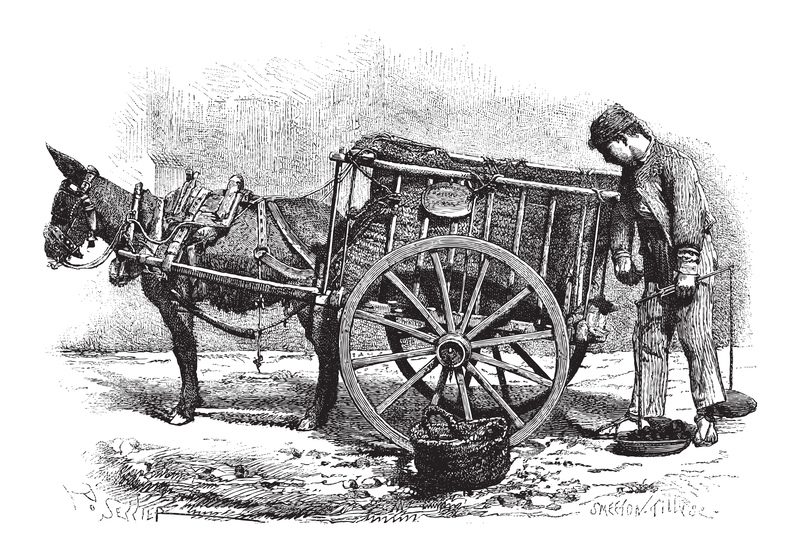
The Ancient Foundations of Waste Handling
The Earliest Methods of Waste Disposal
- Open Dumps: Ancient civilizations often relied on open pits or dumps to dispose of household waste. Archaeological evidence from Mesopotamia and Rome reveals that domestic refuse was thrown into designated areas or even on the streets.
- Animal Consumption: Early communities utilized domesticated animals scavenging through organic waste, reducing food scraps and biodegradable materials.
- Early Recycling: Metal tools and glass were often repurposed or melted down for reuse, demonstrating early forms of material recovery.
Waste Management in the Classical Era
During the Greek and Roman periods, growing urbanization led to more systematic methods for handling refuse. Rome, for example, created the Cloaca Maxima, one of the world's earliest sewage systems designed to channel waste away from the city. Some communities began passing local ordinances prohibiting individuals from tossing garbage into public areas.
Middle Ages: From Neglect to Municipal Involvement
Waste and Public Health Crises
As populations swelled in medieval European cities, waste began to accumulate in streets, rivers, and alleys, contributing to outbreaks of diseases like the Black Death. Without structured waste removal systems, urban areas became breeding grounds for pests.
Municipal Regulations Emerge
- Municipalities in the late Middle Ages started employing night soil collectors to remove human waste, especially in larger towns.
- London and Paris introduced rudimentary regulations, mandating certain methods for rubbish disposal to combat pollution and disease.
- Waste streams were still largely unsegregated, leading to environmental and health hazards.
The Industrial Revolution: A Turning Point in Waste Management
Increased Wastes and New Challenges
The Industrial Revolution marked a dramatic escalation in refuse generation due to industrialization, urban migration, and mass production. Manufacturing processes produced a variety of new wastes--including hazardous chemical byproducts, coal ash, and construction debris.
Municipal Collection and Landfills
- First Municipal Collection Services: The late 19th century saw the introduction of regular waste collection services in cities like London and New York.
- Sanitary Landfills: Waste was transported to designated sites outside of human settlements--these early landfills were often little more than open dumps, but they represented a step forward from previous practices.
- Incineration: Some cities adopted incinerators ("destructors") to reduce waste volumes and generate energy, although emissions were rarely controlled and frequently contributed to air pollution.
Twentieth Century: Environmentalism and Technological Innovation
The Environmental Awakening
During the mid-20th century, public awareness of pollution and resource depletion grew. Groundbreaking research and environmental disasters--such as burning rivers and toxic dump sites--prompted governments to adopt stricter waste management regulations.
Modern Waste Collection and Sorting
- Waste Segregation: Citizens and municipalities began sorting waste into categories such as household, industrial, organic, and recyclable materials to improve waste handling and recycling.
- Mechanical Sorting Facilities: Technological advances enabled large-scale sorting of waste, increasing recycling rates and diverting materials from landfills.
- Hazardous Waste Management: Special protocols and treatment facilities were developed for hazardous materials, ensuring more responsible disposal and reduced environmental impact.
Transformative Waste Management Practices in the 21st Century
The Era of Sustainability and Circular Economy
Recent decades have witnessed a profound shift in waste management strategies, with growing emphasis on sustainability and the circular economy. The linear "take-make-dispose" model of the past is being replaced with approaches that prioritize reduction, reuse, recycling, and recovery.
- Zero-Waste Initiatives: Cities worldwide have launched zero-waste programs aiming to minimize landfill reliance and maximize resource recovery through comprehensive sorting, recycling, and composting schemes.
- Producer Responsibility: Extended producer responsibility (EPR) laws require manufacturers to take back and recycle products or packaging, spurring eco-friendly design and reducing environmental impact.
- Innovative Technologies: Advanced sorting robots, artificial intelligence, and chemical recycling technologies are revolutionizing material recovery.
Organic Waste and Energy Recovery
- Composting: Organic waste diversion into composting facilities returns nutrients to the soil and reduces methane emissions from landfills.
- Biogas Production: Anaerobic digestion of organic waste produces biogas--a renewable energy source--alongside nutrient-rich digestate for agriculture.
- Green Energy: Waste-to-energy plants convert non-recyclable garbage into heat or electricity while minimizing landfill volumes.
Case Studies: Waste Management Evolution Around the World
Japan: From Incineration to Resource Efficiency
Japan has pioneered waste minimization through meticulous sorting, high rates of recycling, and innovative incineration plants with energy recovery. Strict pre-collection sorting requirements for households have helped maximize resource recovery and minimize environmental harm.
Sweden: A Circular Economy Leader
Sweden leads in landfill avoidance, with less than 1% of household waste ending up in landfills. The country's integrated approach involves recycling, composting, and large-scale waste-to-energy programs, reflecting cutting-edge waste management solutions.
Developing Nations: Challenges and Progress
While many low- and middle-income countries struggle with limited infrastructure, informal waste pickers play a vital role in recycling efforts. International aid, technology transfer, and grassroots initiatives are helping to modernize global waste management systems.
Emerging Trends in Modern Waste Management
Smart Waste Solutions
- Internet of Things (IoT): Smart bins and real-time collection tracking optimize routes and reduce operational costs.
- Data Analytics: Analysis of waste patterns helps cities and companies implement targeted waste reduction strategies.
- Robotics and AI: Automated sorting lines boost recycling efficiency and reduce manual labor risks.
Policy and Community Engagement
- Pay-As-You-Throw: Variable-rate pricing encourages households and businesses to minimize waste generation.
- Educational Campaigns: Civic participation is enhanced through awareness programs promoting proper sorting and environmentally friendly habits.
- International Collaboration: Global efforts tackle plastic pollution and electronic waste, including international treaties and cooperative projects.

The Future: Closing the Loop in Waste Management
Challenges That Lie Ahead
Despite remarkable progress, the quest for sustainable waste management faces obstacles such as:
- Increasing e-waste and complex product composition
- Plastics pollution and microplastics
- Urban population growth outpacing collection infrastructure
- Unequal development and funding gaps in the Global South
Towards a Circular Future
By embracing innovation, policies that incentivize resource recovery, and active public involvement, communities can move closer to a waste-free society. Research into biodegradable materials, upcycling, and extended producer responsibility continues to drive the evolution of waste management practices.
Conclusion: Learning from the Past, Building for the Future
The transformations in waste management across eras illustrate humanity's resilience and ingenuity. Each historical phase--from rudimentary disposal to today's smart, sustainable processes--offers vital lessons for future generations. By understanding and applying this collective knowledge, societies worldwide can build cleaner, greener, and healthier environments for all.
Key Takeaways:
- Waste management methods have evolved from primitive dumping to sophisticated, integrated systems.
- Technological breakthroughs and societal awareness have driven successive improvements.
- The shift towards sustainability and the circular economy is shaping the future of global waste handling.
- Ongoing collaboration and innovation are essential to meet emerging challenges and ensure a healthier planet.