Dealing with Uncollected Bins: A Practical Guide
Uncollected bins can be more than just an eyesore; they can lead to unpleasant odors, vermin infestations, and health issues. If you're facing problems with waste not being collected on time, this practical guide will provide you with essential steps and tips to manage the situation effectively. Let's dive into some of the best practices for handling uncollected rubbish bins.
Understanding the Issue of Uncollected Bins
Before tackling the problem, it is important to understand why waste collection services might be delayed. Common reasons include:
- Strike actions by collection workers.
- Equipment breakdowns that prevent timely pick-ups.
- Bad weather, such as snowstorms or heavy rain, affecting accessibility.
- Increased holiday waste, which can overwhelm collection systems.
- Route changes without sufficient public notification.
Recognizing the Risks of Uncollected Waste
Addressing uncollected waste promptly is crucial for various reasons:
- **Health Hazards:** Accumulated garbage can attract pests such as rats and insects, which are carriers of diseases.
- **Environmental Concerns:** Overflowing waste can lead to pollution, affecting local wildlife and ecosystems.
- **Community Aesthetics:** Piles of trash detract from the beauty of neighborhoods.

Steps to Handle Uncollected Bins
1. Contact Your Local Waste Collection Service
Reach out to your local council or waste management service to inquire about the missed collection. Many regions have dedicated helplines or online portals. Be sure to:
- Provide accurate details about your location.
- Mention any possible reasons for the missed pick-up.
- Request a new collection date if possible.
2. Organize a Neighborhood Initiative
If multiple households are affected, consider organizing a community meeting:
- Discuss potential solutions like hiring a private service temporarily.
- Share information about recycling centers or drop-off points.
- Petition the local council to address consistent issues.
3. Optimize Your Waste Management
While waiting for bins to be collected, practice good waste management:
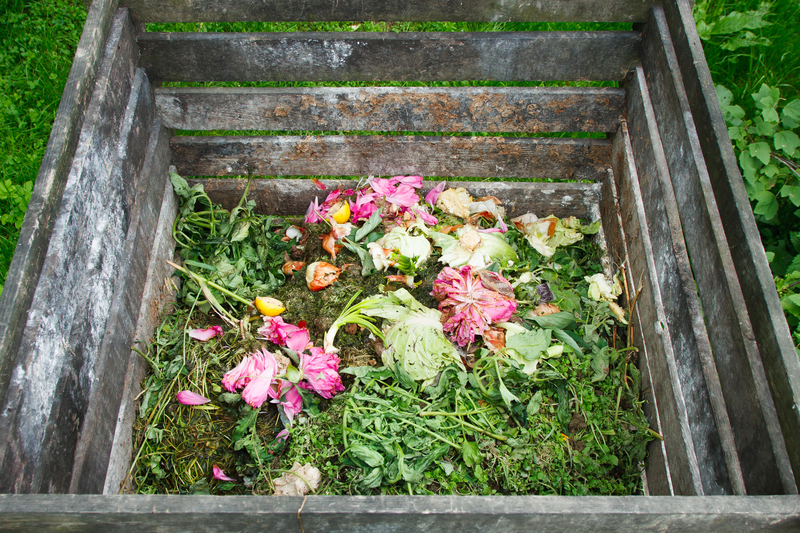
- Reduce Food Waste: Compost organic waste where possible.
- Maximize recycling: Sort waste into categories like glass, plastic, and paper.
- Use airtight containers to store waste temporarily to minimize odors.
4. Utilize Recycling and Disposal Centers
In some cases, you might need to dispose of waste yourself:
- Find local recycling centers or landfill sites where waste can be dropped off.
- Check ahead for any fees or specific sorting requirements.
Preventive Measures
1. Stay Informed
Keep track of any announcements or changes through local news, community boards, or online platforms. Join community forums to stay updated about waste collection schedules.
2. Encourage Responsible Waste Practices
Educate your neighbors and community on minimizing waste creation:
- Prompt households to invest in composting bins.
- Support workshops or campaigns focused on recycling and waste reduction.
3. Advocate for Better Waste Management
Communities can collectively push for improvements in their waste management systems:
- Attend council meetings to voice concerns.
- Collaborate with local environmental groups.
Conclusion
While uncollected bins are a nuisance, there are practical steps and preventive measures that can alleviate the issue. By understanding the root causes and taking proactive steps, you and your community can mitigate the effects of delayed waste collection. Remember, effective communication with local waste authorities and collaboration with neighbors can significantly contribute to a cleaner and healthier environment.
Working together and staying informed are key components in handling the challenges of uncollected bins effectively. Armed with this guide, you can make a positive impact on your community's waste management system.