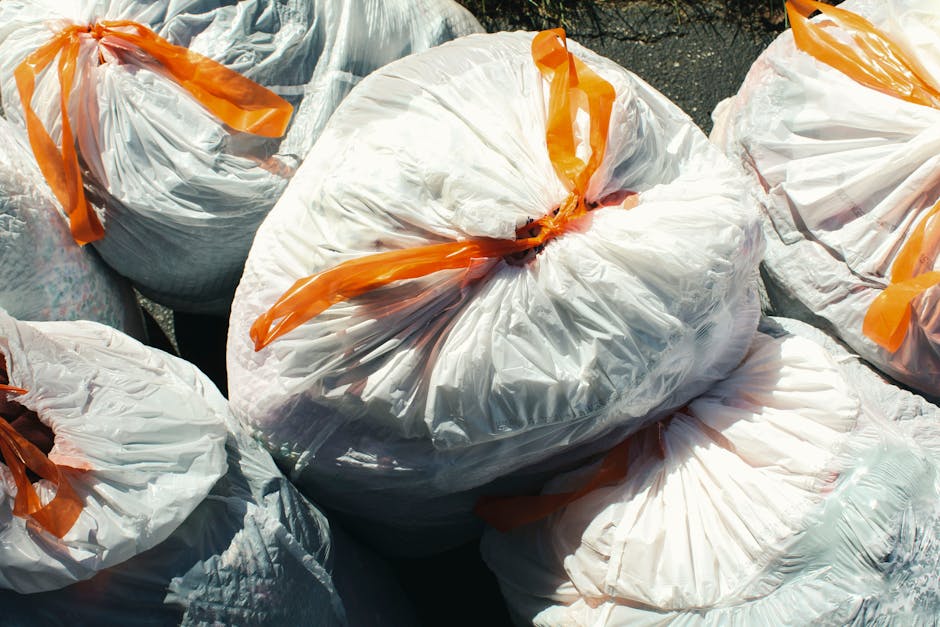
Gunnersbury Park clean up rubbish disposal guide Acton
If you are planning a community clean-up near Gunnersbury Park, or you have ended up with a pile of bags, broken branches, old packaging, and the odd mystery item after the dust has settled, this guide is for you. The reality is simple: a good clean-up is only half the job. The other half is making sure the rubbish is sorted, lifted, transported, and disposed of properly. That matters even more in a busy area like Acton, where access, traffic, parking, and local waste rules can quickly turn a tidy plan into a messy afternoon.
This Gunnersbury Park clean up rubbish disposal guide Acton walks you through the practical side of things: how disposal usually works, what to separate, what to avoid, and how to keep the job safe and efficient. Whether you are organising a volunteer litter pick, clearing a corner of a garden after a community event, or dealing with mixed rubbish from a larger tidy-up, the aim here is the same. Less stress. Less waste left behind. More done properly, first time.
To be fair, waste disposal sounds boring until you are the one staring at six bags of mixed rubbish in the car boot. Then it becomes very interesting, very quickly.
For broader home, garden, and property clearances that often come up alongside local clean-ups, you may also find waste removal, garden clearance, and house clearance useful to compare with a one-off park-area clean-up.
Table of Contents
- Why Gunnersbury Park clean up rubbish disposal guide Acton Matters
- How Gunnersbury Park clean up rubbish disposal guide Acton Works
- Key Benefits and Practical Advantages
- Who This Is For and When It Makes Sense
- Step-by-Step Guidance
- Expert Tips for Better Results
- Common Mistakes to Avoid
- Tools, Resources and Recommendations
- Law, Compliance, Standards, or Best Practice
- Options, Methods, or Comparison Table
- Case Study or Real-World Example
- Practical Checklist
- Conclusion
- Frequently Asked Questions
Why Gunnersbury Park clean up rubbish disposal guide Acton Matters
Gunnersbury Park is a valued local green space, and any clean-up around it has a bigger ripple effect than people sometimes realise. A single event can involve litter, food packaging, drink containers, gloves, wipes, branches, soil, old flyers, and the occasional awkward item that nobody wants to handle twice. If that material is not disposed of correctly, it can quickly undo the good work of the clean-up itself.
That is why a disposal guide matters. It gives structure to the job. Instead of carrying everything home in random bags and hoping for the best, you can decide in advance what stays separated, what can be recycled, what needs special handling, and how waste will leave the site without creating hazards.
There is also the local factor. Acton has its own traffic rhythms, parking limitations, and collection realities. A clean-up that looks manageable on paper can become frustrating if volunteers are waiting around with full bags and nowhere sensible to put them. The right disposal plan avoids that awkward pause where everyone looks at each other and says, "Right... now what?"
Good waste disposal also protects the park environment. Litter left in piles can be blown back out, scattered by birds, or washed into drains if the weather turns. That is not just untidy; it is avoidable.
In practice, a good clean-up disposal approach helps you:
- keep the site safer while work is underway
- reduce contamination between recyclable and general waste
- save time at the end of the event
- avoid overload in one bag or container
- make the whole effort feel organised rather than improvised
Expert summary: the clean-up itself creates goodwill, but the disposal plan is what turns good intentions into a tidy, finished result. That is the bit people remember when the park looks better the next morning.
How Gunnersbury Park clean up rubbish disposal guide Acton Works
At a basic level, the process is straightforward. You identify the waste, separate it sensibly, contain it safely, and arrange the right removal route. The trick is doing those four things in the right order, without making the day feel heavier than it needs to be.
Most clean-up jobs around a park setting fall into a few broad categories. You may have light litter, garden waste, bulky items, or mixed rubbish from a private or community space close to the park. Each type behaves differently once it is bagged up, and each has its own disposal expectations. A branch pile is not the same as a pile of drinks cups, and neither is the same as a dismantled chair. Obvious enough, yet it often gets mixed together anyway.
In many cases, the clean-up flow looks like this:
- Walk the area first and identify the main waste types.
- Set up collection points with labelled bags or containers.
- Keep recyclables apart where possible.
- Bag sharp, damp, or awkward items separately.
- Load waste carefully so nothing spills on the way out.
- Choose the right disposal method for each category of waste.
The point is not perfection. The point is control. Even a modest bit of planning can stop one clean-up from becoming three separate headaches.
If the rubbish includes household items, old furniture, or clearance material rather than simple litter, it may be more efficient to compare specialist services such as furniture disposal, furniture clearance, or furniture clearance when bulky pieces are part of the mix. For larger site clearances, builders waste clearance can also be relevant if renovation debris is involved rather than ordinary litter.
Key Benefits and Practical Advantages
A well-run rubbish disposal plan does more than make the area look tidy. It protects the momentum of the whole project. You can feel the difference after the first 20 minutes when the bags are flowing, the waste is not piling up underfoot, and nobody is wondering where the next load goes. Small win, but a real one.
- Cleaner finish: waste leaves the site in an orderly way, so you do not end up with stray debris left behind.
- Safer working conditions: separated waste reduces trip hazards and contact with sharp or dirty items.
- Better recycling potential: cardboard, metal, green waste, and some plastics can often be kept apart more effectively.
- Less manual stress: lifting and moving is easier when bags are not overfilled or mixed carelessly.
- Faster wrap-up: the end of the job is smoother, which matters more than people think after a long clean-up.
- Better community impression: a tidy finish says the effort was taken seriously.
There is also a quieter benefit: better morale. Volunteers notice when a plan works. They notice when bins are in the right place, when gloves are available, and when nobody has to improvise with a half-torn bin liner. It sounds minor. It is not.
For people looking to reduce waste at the source, sustainable habits matter too. Our recycling and sustainability page covers the wider approach behind making disposal cleaner, simpler, and less wasteful over time.
Who This Is For and When It Makes Sense
This guide is useful if you are involved in almost any clean-up near Gunnersbury Park or in nearby Acton streets where waste from a tidy-up needs to be handled properly. That includes residents, landlords, volunteers, community organisers, small businesses, caretakers, and anyone who has inherited a job after a weekend event or an unexpected clear-out.
It makes particular sense when the waste is more varied than normal household rubbish. For example:
- a volunteer litter pick after a community event
- garden waste gathered from a property close to the park
- bulky rubbish from a flat or shared house
- leftover material from decorating or light renovation
- mixed clutter from a garage or loft tidy-up that needs taking away in one go
If you are clearing a home, a flat, or a single room nearby, it can help to look at services such as flat clearance, home clearance, or loft clearance because these jobs often create the same disposal questions, just on a different scale.
Truth be told, the guide is also useful if you are simply trying to avoid chaos. Nobody plans to make a mess while clearing up a mess, but that is how it goes if the waste route is left to the last minute.
Step-by-Step Guidance
Here is a practical way to approach rubbish disposal after a clean-up around Gunnersbury Park and Acton. Keep it simple. The day will thank you for it.
1. Survey the waste before touching anything
Take two minutes and look at what you are dealing with. Identify garden waste, general litter, bulky items, glass, metal, and anything sharp or potentially contaminated. This lets you bring the right bags and tools instead of making repeated trips back and forth.
2. Separate waste into sensible groups
Try not to throw everything into one bag just because it is easier in the moment. Light litter, recyclables, green waste, and bulky material should be treated differently where practical. Separation saves time later and keeps the final disposal route cleaner.
3. Protect volunteers and helpers
Use gloves, sturdy shoes, and appropriate handling methods. Damp waste, broken plastic, metal edges, and hidden glass can cause problems very quickly. If something feels awkward to lift, it probably is.
4. Bag and label clearly
If you are using multiple bags, make them easy to identify. Even a simple handwritten note can help. "General waste," "green waste," or "recyclables" is enough in many cases. The goal is not a shipping depot. Just clarity.
5. Keep weight sensible
Overfilled bags are a false economy. They split. They drag. They become unpleasant to move. Better to use an extra bag than to tear one open halfway to the vehicle.
6. Plan the transfer route
Think ahead about where the waste is going next. Is it being taken away immediately? Loaded into a van? Held briefly in a secure spot? A tiny bit of forward planning avoids the end-of-job scramble that always seems to happen when everyone is tired.
7. Confirm the disposal route for each waste type
General waste, recyclable material, green waste, and bulky items may all need different handling. If the contents include business waste or construction debris, the route may differ again. This is the point where the right service matters more than guesswork.
8. Do a final sweep
Before you leave, walk the area one more time. Small scraps hide in grass, under benches, and at kerb edges. A tidy final sweep is often what separates a decent job from a genuinely good one.
Sometimes the last 5% takes half the effort. Annoying, yes. Worth it, absolutely.
Expert Tips for Better Results
The cleanest jobs are rarely the most dramatic. They are the ones with a few small habits done consistently. Over the years, a few patterns show up again and again.
- Use one person as waste lead: even in a volunteer group, one person should oversee bagging and disposal so there is no confusion.
- Start with the biggest eyesores: large items create the most visual clutter and often block easier work.
- Keep recyclables uncontaminated: once food-soiled rubbish gets mixed into a recycling bag, that bag may no longer be useful.
- Work from clean to dirty where possible: this keeps gloves, bags, and hands in better condition for longer.
- Bring a few spare bags and ties: you will use them. Usually sooner than you think.
- Move in short loads rather than giant risky ones: fewer trips is not always better if it means dropped waste or strain.
One practical tip that often gets overlooked: keep a small "awkward items" bag. Things like fragments of plastic, broken clips, torn tape, or small mixed debris are easy to lose track of. Having a separate catch-all bag for the odd bits can save a surprising amount of fiddly cleanup later.
And yes, someone will always say, "It's only a few items." Then the bag fills up. Every time.
If you are trying to reduce future waste as well as remove current waste, the article on mastering recycling at home has a few useful habits that translate well to community clean-up work too.
Common Mistakes to Avoid
Most disposal problems come from small decisions made too early. Nothing dramatic, just ordinary oversights that snowball.
- Mixing everything together: it is faster at the start, slower at the end, and usually messier overall.
- Using weak bags for heavy waste: split bags are one of the most irritating parts of any clean-up.
- Ignoring sharp items: glass, metal, and broken fittings should be handled with care, not tucked into a loose pile.
- Leaving collection until the end: by then people are tired and the waste has already spread out.
- Forgetting access issues: a van, skip, or collection vehicle may not fit neatly if the site layout has been ignored.
- Assuming all rubbish is disposed of the same way: not true, and usually where the trouble starts.
A smaller but common mistake is underestimating how long the sorting stage takes. It is tempting to think disposal is the easy bit. Then the bags multiply, the glass needs separating, and suddenly the easy bit has become the whole job.
If you are dealing with general clutter rather than park litter, a guide like decluttering and the minimalist approach can help you avoid the "move it from one pile to another" trap.
Tools, Resources and Recommendations
You do not need a huge amount of equipment to run a sensible clean-up disposal process, but the right basics make a big difference. Nothing fancy. Just practical.
| Tool or Resource | Why it helps | Best for |
|---|---|---|
| Heavy-duty refuse bags | Reduce splits and spills | General waste, mixed rubbish |
| Gloves | Protect hands from sharp or dirty items | All clean-up work |
| Tongs or grabbers | Help collect litter without repeated bending | Park litter picks, light waste |
| Labelled tubs or sacks | Keep material sorted | Recycling and mixed waste separation |
| Wheelbarrow or sack truck | Makes heavier loads easier to move | Bulky or bagged waste |
| Vehicle space or collection booking | Ensures the waste can actually leave site | Any clean-up with multiple bags |
For larger domestic or mixed property jobs, services such as garage clearance and furniture clearance can be useful when the rubbish is more than simple litter. If you are dealing with office material, then office clearance may be a better fit than a generic waste job.
It can also help to review service information before you book anything. Pages like pricing and quotes, insurance and safety, and health and safety policy give you a clearer idea of what a professional setup should cover. Not glamorous reading, admittedly, but very useful when you want a job done properly.
Law, Compliance, Standards, or Best Practice
Any rubbish disposal plan in the UK should be based on sensible legal and environmental practice, even when the job is small. The exact requirements can vary depending on the type of waste, who produced it, and where it is being taken. That means it is wise to be careful, especially if the clean-up includes business waste, construction debris, bulky items, or anything that could be classed as restricted or hazardous.
In plain English, a few best-practice principles usually apply:
- do not dump waste casually or leave it where it could become fly-tipped
- separate waste streams where practical
- use appropriate handling for sharp, contaminated, or heavy items
- make sure the chosen disposal route is suitable for the waste type
- keep records or confirmation where the job is commercial or organised on behalf of others
If you are arranging removal on behalf of a business, landlord, or community group, it is worth checking the expectations before the day begins. That way, nobody is left guessing whether a load can go in the back of a van or needs specialist handling. The paperwork side is not exciting, I know, but it avoids awkward surprises later.
For a wider look at responsible disposal habits, the article on the environmental impact of improper waste disposal is a useful reminder of why careful handling matters. Good practice protects the park, the streets around Acton, and the people doing the work.
Options, Methods, or Comparison Table
If you are deciding how to handle waste after a clean-up, the best option depends on volume, waste type, access, and how quickly you need the site clear. Below is a simple comparison to help narrow it down.
| Method | Best for | Strengths | Watch-outs |
|---|---|---|---|
| Self-transport in a vehicle | Small, tidy loads | Flexible, quick if you already have access | Limited space, lifting effort, multiple trips |
| Bagged waste collection | Routine mixed rubbish | Simple to manage, easy to stage | Needs careful sorting and safe bagging |
| Specialist clearance service | Bulky, mixed, or time-sensitive waste | Less manual work, more convenient, better for larger loads | Needs booking and clear item descriptions |
| Recycling-separated disposal | Cleaner litter or sorted material | Can reduce landfill waste and improve sustainability | Needs discipline during sorting |
For many clean-up projects, the best answer is a combination. For example, volunteers may collect the litter, then a professional team handles bulky or awkward items afterward. That hybrid approach is often the most realistic one, especially when time, manpower, or parking is limited.
If the job is more like a property clear-out than a park pick-up, comparing house clearance with home clearance can help you decide how much support you actually need.
Case Study or Real-World Example
Here is a very typical local scenario. A small volunteer group meets near Gunnersbury Park on a Saturday morning after spotting litter build-up along a path and by a side entrance. By 10:30, they have gathered food wrappers, bottles, a few damp cardboard pieces, and some larger mixed rubbish from a nearby verge. Nothing extreme, but enough to fill several bags and one awkward pile that nobody wants to leave behind.
At first, everything is being stacked together. Then someone pauses and sorts it properly: recyclables in one bag, general waste in another, and the wet, dirty cardboard kept apart. A few broken bits go into a labelled heavy-duty sack. One helper takes responsibility for the final load-out, and the group does a quick second walk-through before leaving.
That small change in organisation makes the whole job feel easier. No one is arguing about what goes where, and nothing is left leaning against a wall to be dealt with "later." The site is cleaner, the bags are more manageable, and the end result looks deliberate rather than rushed.
A similar pattern appears in private jobs too. A resident clearing a small garden near Acton may start with branches, old plant pots, and a broken chair. By separating the green waste from the furniture and checking access before collection, they avoid the classic problem of one overloaded pile that becomes impossible to move in one go. Simple, really. Not always easy, but simple.
Practical Checklist
Use this before, during, and after the clean-up so nothing obvious gets missed.
- Confirm the area to be cleared and the likely waste types
- Bring strong bags, gloves, and basic handling tools
- Separate litter, recyclables, green waste, and bulky items where practical
- Keep sharp, wet, or dirty waste in suitable containers
- Do not overfill bags or boxes
- Plan where the waste will be loaded and removed from
- Check vehicle access, parking, and lifting requirements in advance
- Set aside items that need special care or separate disposal
- Do a final sweep of the area before leaving
- Keep any relevant booking, disposal, or service details organised
Quick reminder: a tidy finish is not luck. It is usually the result of just a little planning at the start.
Conclusion
A successful clean-up near Gunnersbury Park is not only about collecting rubbish. It is about making sure the waste is dealt with in a way that is safe, orderly, and suited to the type of material you have gathered. When you approach disposal with a plan, the work feels lighter, the finish looks better, and the whole effort has more impact.
Whether you are organising a volunteer litter pick, clearing garden waste, handling bulky household items, or just trying to avoid a messy end-of-day pile-up, the same rules apply: sort early, lift safely, dispose properly, and keep the process simple enough that people can actually follow it. That is the real sweet spot.
If your clean-up is growing into a larger clearance job, it is worth exploring practical support options early rather than leaving everything to the last minute. A little structure now can save a lot of time later.
Get a free quote today and see how much you can save.
Frequently Asked Questions
What is the best way to dispose of rubbish after a clean-up near Gunnersbury Park?
The best approach is to separate waste by type where possible, bag it securely, and use the right disposal route for each stream. Light litter, recyclables, green waste, and bulky items should not all be treated the same way. That simple separation usually makes the rest of the job easier.
Do I need special equipment for a community litter pick in Acton?
You do not need anything fancy, but gloves, sturdy refuse bags, and a few grabbers or tongs make the job much safer and more efficient. If the waste is heavy or awkward, a sack truck or wheelbarrow can be a real help.
Can garden waste from a clean-up be mixed with general rubbish?
It can be, but it usually should not be unless there is no better option. Green waste is easier to manage when kept separate because it may be handled differently from mixed rubbish. Separation also reduces the chance of contaminating the rest of the load.
What should I do with broken glass or sharp metal?
Put sharp items into a strong, secure container or a clearly marked bag so they do not cut through thinner sacks. Never leave them loose in a mixed pile. If you are unsure, treat them as hazardous to handle and keep them isolated from other waste.
Is it better to hire a clearance service or take the rubbish myself?
That depends on volume, vehicle access, and the type of waste. A small, tidy load may be manageable yourself. If the rubbish is bulky, heavy, or time-sensitive, a professional clearance option is often the simpler choice.
How do I avoid overfilling bags during a clean-up?
Use heavier-duty bags, fill them only to a sensible weight, and stop before they become difficult to lift safely. It is better to use a few extra bags than to deal with splits, spills, or strained lifting later.
What kinds of waste are most common in park-area clean-ups?
Usually it is a mix of food packaging, bottles, cans, paper, plastic fragments, and sometimes branches or other garden debris. Depending on the location, you may also come across furniture pieces, broken household items, or fly-tipped rubbish nearby.
How can I make the disposal process more eco-friendly?
Keep recyclables separate, avoid contaminating clean material with food waste, and choose the disposal route that best fits the waste type. Planning ahead also helps reduce unnecessary trips and wasted handling. Small changes do add up.
Are there rules I need to follow for rubbish disposal in the UK?
Yes, there are general duties around responsible waste handling, proper disposal, and avoiding fly-tipping. Exact requirements depend on the waste type and the context. If the job involves business waste or anything unusual, it is wise to be cautious and check the details before removal.
What if the clean-up reveals more waste than expected?
That happens often, especially when people discover hidden rubbish under hedges, behind bins, or along fence lines. If the job suddenly becomes larger than planned, pause and reassess the disposal route rather than forcing everything into the original plan.
Can I use the same approach for a home or garage clear-out nearby?
Yes, many of the same principles apply. Separate waste, keep bags manageable, and decide in advance what needs specialist handling. For bigger domestic projects, pages like garage, home, loft, and house clearance are often a better fit than a basic rubbish pickup approach.
What is the biggest mistake people make with disposal after a clean-up?
The biggest mistake is usually waiting until the end to think about the waste. Once the bags have piled up, sorting becomes harder, lifting becomes awkward, and the final clear-down takes longer than it should. A simple disposal plan early on prevents most of that hassle.
If you want the clean-up to feel calm rather than chaotic, start with the waste plan first. That one decision can change the whole day, honestly.